

A house fire can turn your life upside down in minutes, leaving behind destruction, heartache, and costly repairs. But here's the good news: most home fires are preventable. With a few simple precautions, you can protect your home and loved ones from one of the most devastating events a homeowner can face. So, are you doing all you can to keep your home safe?
According to the National Fire Protection Association (NFPA), U.S. fire departments respond to hundreds of thousands of home fires each year, resulting in thousands of civilian deaths, injuries, and billions of dollars in property damage. The vast majority of these incidents can be traced back to a handful of common causes, many of which are preventable through awareness and regular home maintenance.
Let’s explore the five most common causes of preventable house fires – and what you can do to reduce the likelihood of a fire starting in your home.
Cooking Accidents: The Leading Cause of House Fires
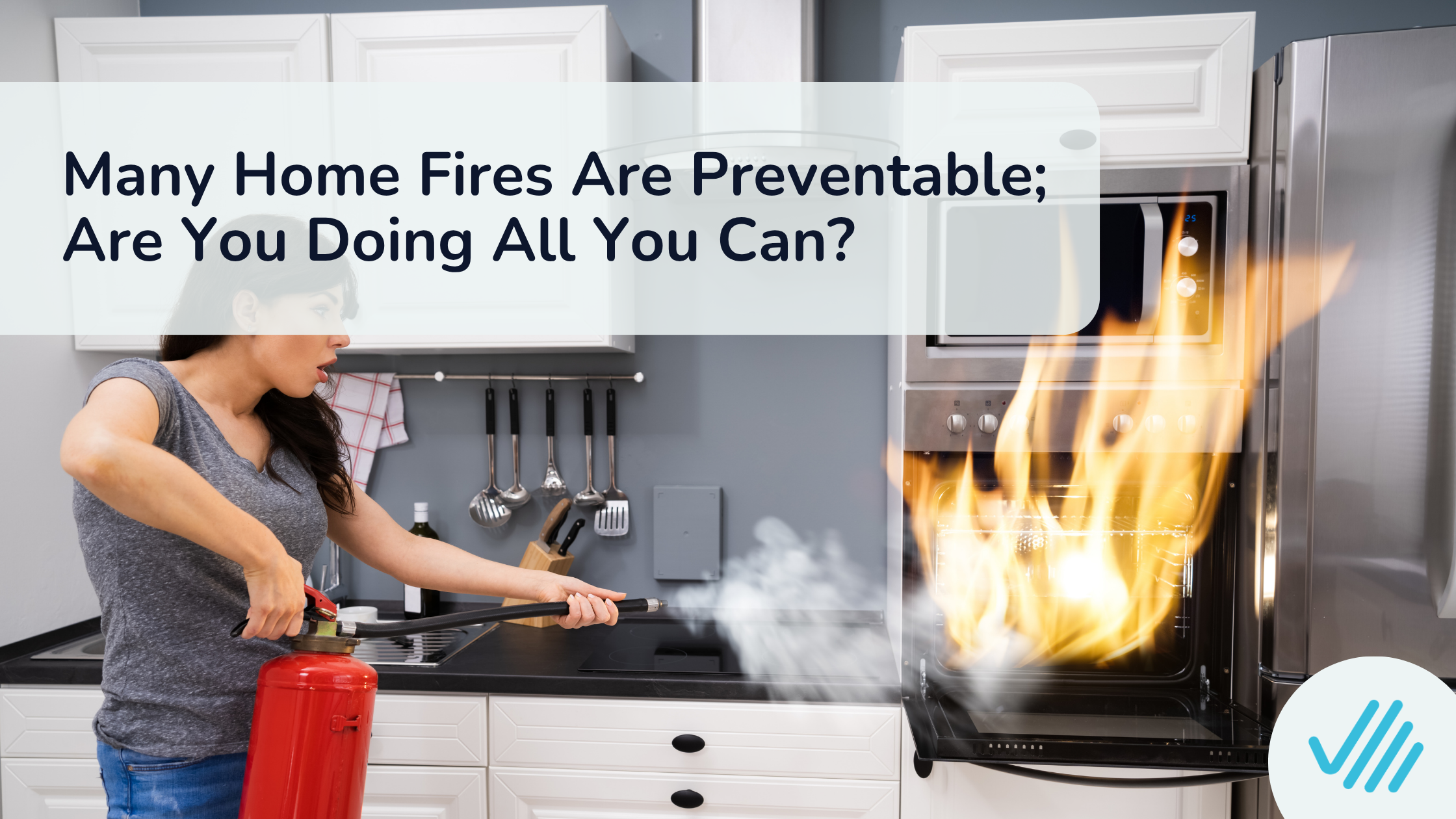
Cooking fires are the top cause of home fires nationwide, and Florida is no exception. NFPA research shows that cooking accounts for roughly 44% of reported home fires, making it the leading cause of home fire injuries as well. These fires often start in the kitchen when cooking is left unattended on the stove, or when grease ignites, or if flammable materials like dish towels are left too close to burners.
How to Prevent Cooking Fires
- Never leave cooking food unattended. Whether you’re frying, boiling, or baking, stay in the kitchen. If you need to step away, turn off the stove.
- Use a timer you can hear. This is particularly helpful when cooking longer meals to remind you to check your food. Make sure the timer is within earshot.
- Keep flammable items away from heat sources. Ensure towels, paper products, and curtains are a safe distance from the stove.
- Clean up grease spills immediately. Grease can ignite quickly, so keeping your cooking area clean is vital.
- Keep a lid nearby when cooking on the stovetop. If a small grease fire starts, slide a lid over the pan and turn off the burner. Never use water on a grease fire, which can cause flames to spread rapidly.
Electrical System Fires: a Nighttime Threat
Electrical fires, often caused by faulty wiring, electrical shorts, or power surges, can be especially dangerous. This is because your electrical system continues to operate while you sleep. So, early signs of overheating or other problems with wiring or appliances (such as sparks or burning smells) may go unnoticed for hours – until it’s too late. Older homes in Florida are particularly vulnerable, as wiring may have deteriorated over time or wasn’t designed to handle the load of modern appliances.
As today's households rely on more electronics, smart devices, chargers, and high-powered appliances than ever before, electrical systems are under greater strain. Homes with outdated wiring, aging electrical panels, or insufficient circuits may face a higher risk of overheating and fire.
How to Prevent Electrical Fires
- Have your home’s electrical system inspected by a licensed electrician, especially if your home is older or you’ve noticed flickering lights, tripped breakers, or warm outlets.
- Don’t overload outlets or power strips. Plugging too many devices into a single outlet increases the risk of overheating.
- Use surge protectors to prevent power surges from damaging your appliances and starting a fire. Also consider whole-home surge protection.
- Unplug rarely used equipment or appliances. This reduces the risk of overheating or power surges causing a fire when you’re not around to notice.
- Replace damaged extension cords immediately and avoid running cords under rugs, furniture, or doorways where heat can build up unnoticed.
Candles & Smoking: Hazard in the Bedroom
Candles and smoking materials are significant causes of house fires, especially in bedrooms where people may fall asleep while candles or cigarettes are still lit and could tip over or fall onto something flammable. Bedrooms are filled with flammable items, such as bedding, carpets, and curtains, making them especially risky places for house fires to start.
How to Prevent Candle & Smoking Fires
- Blow out candles before leaving the room or going to sleep. Consider using flameless LED candles for ambiance without the risk.
- Keep candles at least 12 inches away from anything flammable, such as curtains, books, or furniture.
- Place candles on sturdy, noncombustible surfaces where they cannot be tipped over by children, pets, or passing traffic.
- Never smoke in bed. It’s easy to doze off, and a dropped cigarette can ignite bedding or the carpet in seconds. If you smoke, do it outside and make sure used cigarettes are fully extinguished in water or sand before disposing them and any ashes in the trash, where they could come into contact with tissue paper or other combustibles.
Dryer Lint: Hidden Fire Hazard
Dryer lint may seem harmless, but it’s highly flammable and can ignite when your dryer overheats. Research has found that dust, fiber, and lint are among the leading materials first ignited in dryer fires. Failing to clean your lint filter regularly is a common oversight leading to a preventable fire.
How to Prevent Dryer Fires
- Clean the lint filter after every use. This ensures airflow is unobstructed, helping to prevent the dryer from overheating.
- Check the dryer vent regularly. Lint can accumulate in the dryer’s vent or exhaust duct, blocking airflow and increasing fire risk. Have a professional clean it annually.
- Don’t overload the dryer. Overstuffing can cause the dryer to overheat and work harder, which increases the risk of a preventable fire.
Christmas Trees & Decorations: Festive But Risky
While holiday decorations bring joy, they can also be fire hazards, particularly Christmas trees. Dry trees combined with hot lights or electrical malfunctions create the perfect storm for a fire to ignite.
How to Prevent Christmas Tree & Decoration Fires
- Choose a fresh, green tree, and water it daily to keep it from drying out.
- Use nonflammable or flame-resistant decorations. Many older decorations aren’t flame-resistant and pose a higher fire risk.
- Check your holiday lights for damage. Frayed cords, cracked bulbs, or loose connections can cause sparks. Replace damaged strands immediately.
- Turn off lights before going to bed or leaving the house. Never leave your tree lit when you’re not home.
- Keep your Christmas tree at least three feet away from heat sources, including fireplaces, space heaters, radiators, candles, and other heat sources.
Other Preventable Fire Hazards
Beyond the most common causes, there are a few other fire hazards easily overlooked – but just as preventable:
Barbecues & Grills
Keep grills at least 10 feet away from your home, deck railings, and overhanging branches. Clean the grease trap regularly to prevent grease fires, and never leave a lit grill unattended.
Flammable Liquids
If you store gasoline, paint thinners, or other flammable liquids in your home, keep them in approved containers and store them in a well-ventilated area away from heat sources.
Batteries
Rechargeable batteries, particularly lithium-ion batteries, can overheat and catch fire if damaged. As lithium-ion batteries become more common in smartphones, laptops, power tools, e-bikes, scooters, and portable charging devices, fire officials have seen an increase in battery-related fires. To reduce risk, use manufacturer-approved chargers, avoid charging batteries on beds or couches, discontinue use if a battery becomes swollen or unusually hot, and never use damaged batteries.
Take Action Now to Protect Against Preventable House Fires
Preventing house fires doesn’t have to be overwhelming. Start by addressing the most common causes, including cooking, electrical systems, candles and smoking, dryer lint, and holiday decorations. With a few simple precautions, you can significantly reduce the chance of a fire starting in your home.
Just as importantly, make fire safety part of your routine. Regularly test smoke alarms, create and practice a home fire escape plan, and inspect potential fire hazards before they become serious risks. Taking some time to prevention today can help protect your family for years to come.
Even with the best prevention efforts, however, accidents happen. This is why it’s essential to have the right homeowners insurance coverage in place. At Ovation Home Insurance Exchange, we’re here to help you protect what matters most. Whether you need to update your coverage or are shopping for a new policy, your agent can guide you to the best options for your home.
Reach out to your agent or visit our website today for a free quote, and make sure your home is protected in the event of a fire. Together, we can help safeguard your investment – and your peace of mind.